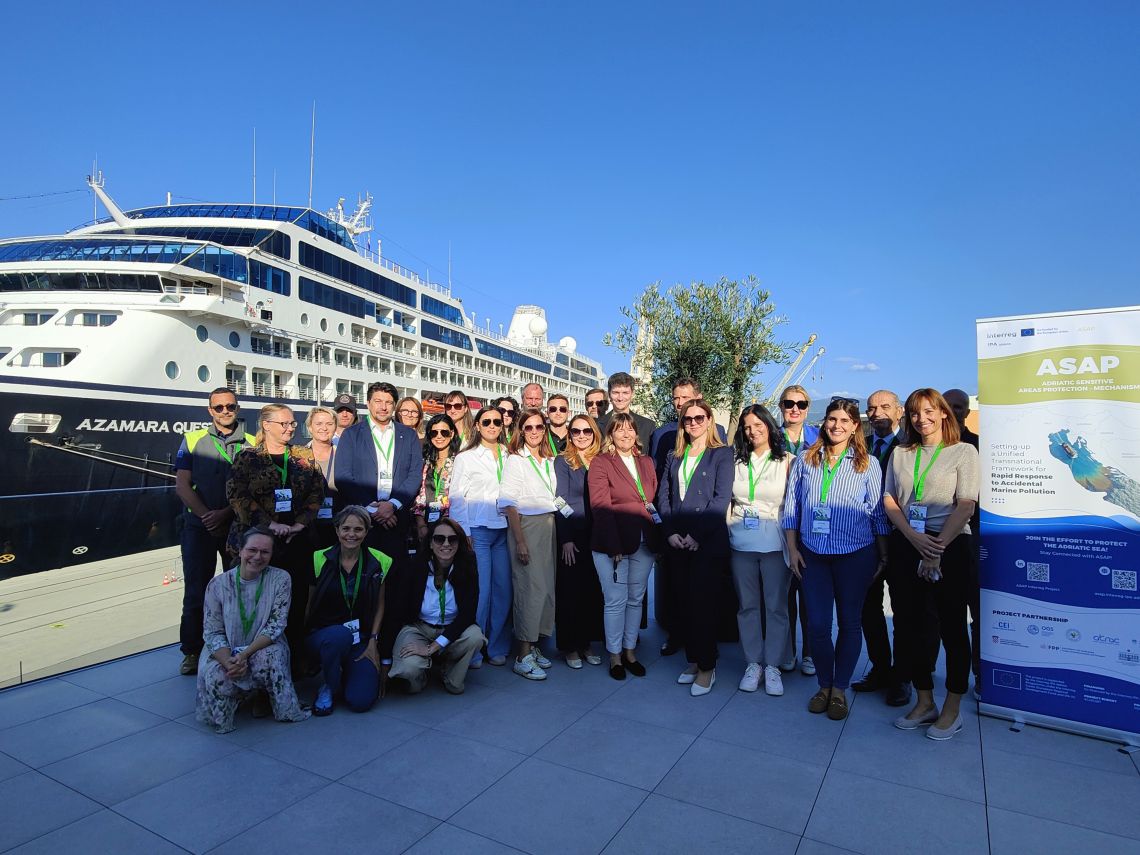
The CEI–Executive Secretariat (CEI-ES) joined national maritime authorities and European agencies in Koper, Slovenia, on 23–24 September for POLex 2026, the second international marine pollution response exercise carried out within the Interreg IPA ADRION ASAP – Adriatic Sensitive Areas Protection mechanism project.
Hosted by project partner Slovenian Maritime Administration (SMA), the exercise simulated a major hydrocarbon spill in the North Adriatic. Over two days, almost 200 participants, from observers to operational teams representing the six ASAP partner countries, together with European agencies and other participating organisations, took part in technical exchanges, observer activities, and an international at-sea response operation.
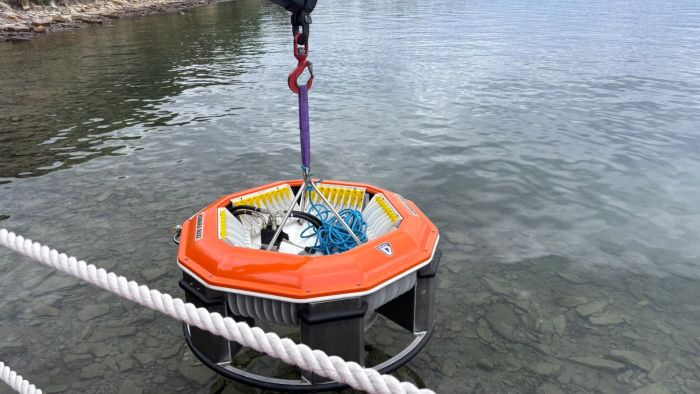
The exercise provided a concrete opportunity to put preparedness into practice. The Standard Operating Procedures (SOPs) developed within ASAP were successfully tested, together with project equipment including drifters, while CECIS MP 2.0 was successfully activated and tested to support information exchange and coordination among the authorities involved.
Cooperation put into action at sea
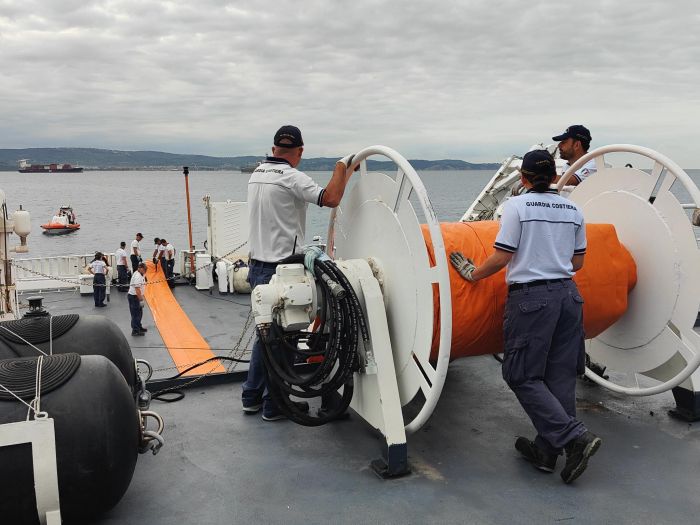
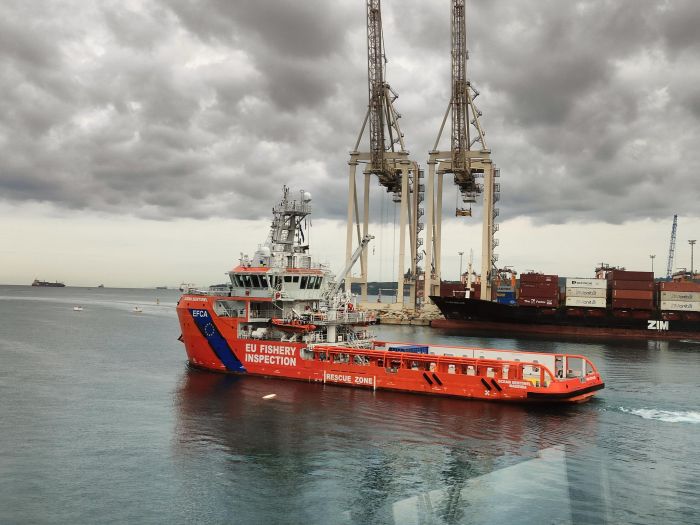
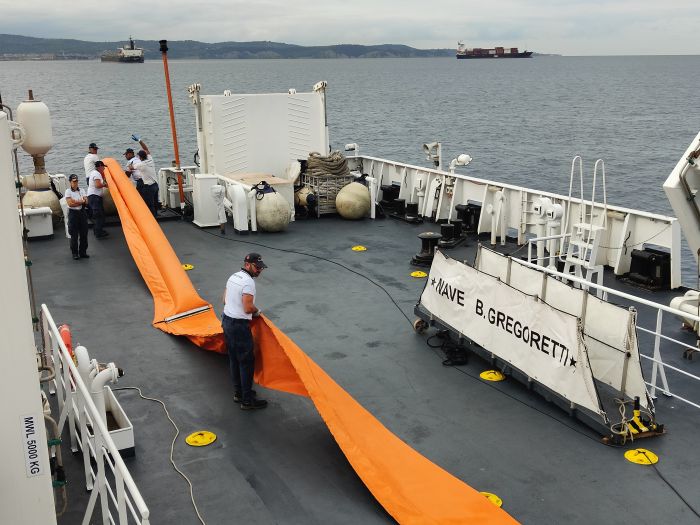
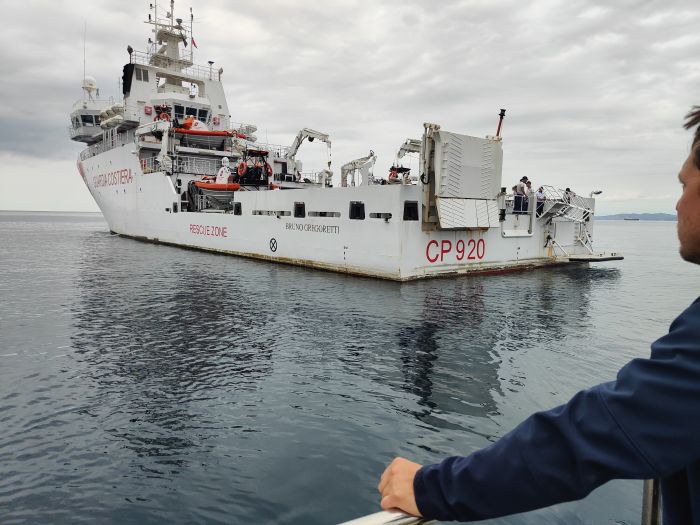
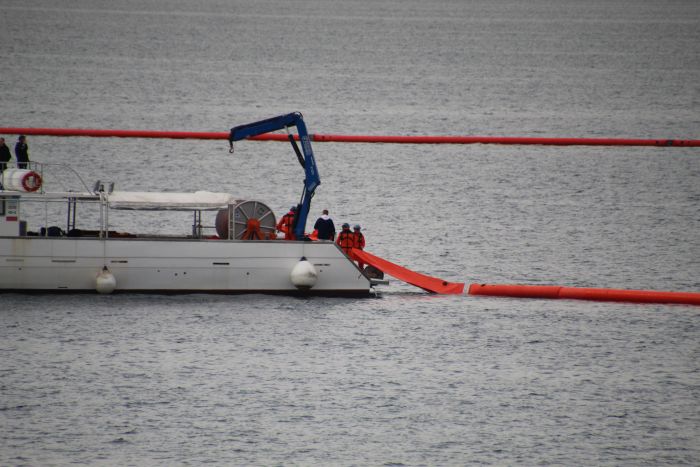
The operational exercise brought together, among others, EFCA’s offshore patrol vessel Ocean Sentinel, the Italian Coast Guard vessel Bruno Gregoretti, the Slovenian SPICA tugboat, and Slovenian anti-pollution units. Working side by side, the teams simulated a coordinated response to a marine pollution incident, including the deployment and connection of anti-pollution booms at sea.
Representatives of the European Maritime Safety Agency (EMSA), European Fisheries Control Agency (EFCA) and Frontex also took part, contributing to the exchange of expertise and strengthening links between national authorities and European-level actors involved in maritime safety and coast guard functions.
Beyond the technical results, POLex 2026 highlighted the importance of the professional networks and mutual understanding developed through ASAP. Working together in operational conditions enabled participants to better understand each other’s roles and procedures, strengthening communication and coordination across borders — essential when responding to emergencies that do not stop at national boundaries.
The exercise built on the experience gained during the Adriatic Sea SARex/POLex 2025 held in Dubrovnik, allowing ASAP partners to further test cooperation mechanisms and draw lessons for future joint responses.
“The long-lasting value of ASAP will not be measured only by what is achieved by the end of the project, but by our ability to turn the cooperation built through it into a stable and sustainable mechanism for the safety and resilience of the Adriatic,” said Ambassador Ivana Pejović, Deputy Secretary General of the CEI. “The CEI-ES stands ready to support this transition, so that the trust, operational capacities and professional networks developed among the participating countries can provide a lasting foundation for structured regional cooperation, bringing together EU Member States and candidate countries and enabling them to respond more effectively to future challenges.”
Through ASAP, the CEI-ES and its partners are working to strengthen national and cross-border response capacities, improve common operating procedures and lay the foundations for more structured and lasting cooperation among the authorities responsible for protecting the Adriatic Sea and its environmentally sensitive coastal areas.
As the project approaches its conclusion, the focus is increasingly on ensuring that this cooperation continues beyond ASAP’s lifetime. A key next step will be the signing of a Memorandum of Understanding (MoU) in Sarajevo in February 2027, providing a framework to sustain joint preparedness, regular exercises and expertise-sharing among participating authorities.
POLex 2026 demonstrated that effective preparedness is not built through procedures and equipment alone. It also depends on testing them together, understanding how different authorities operate and building the trust needed to act collectively when an emergency crosses borders.
ASAP – Adriatic Sensitive Areas Protection mechanism is co-funded by the European Union through the Interreg IPA ADRION Programme.
More info: marconato@cei.int