
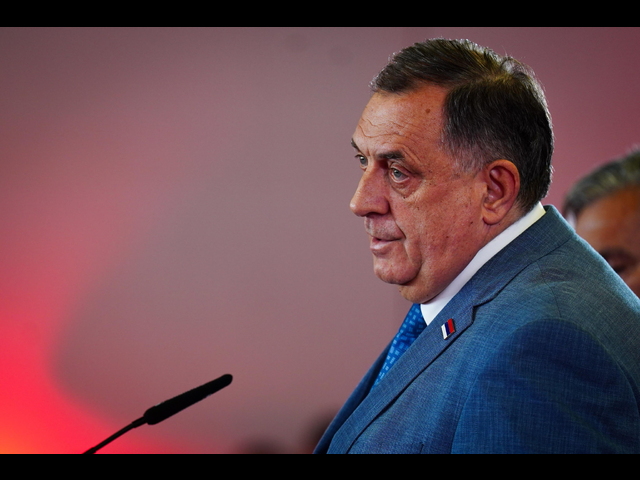
(ANSA) - SARAJEVO, FEB 8 - As of 7 a.m. this morning, polls are open in 136 polling stations in 17 constituencies of Republika Srpska (Rs), the Serb-majority entity of Bosnia-Herzegovina, including the capital Banja Luka, where the Nov. 23 presidential elections, partially annulled by the Central Election Commission (CEC) in Sarajevo due to found irregularities and fraud, are being repeated today. Although only about 84,400 voters are called to vote, these are weighty elections, because they will decide the post-Dodik era, that is, whether Rs will continue on the path of pushing toward secessionism and gradual break with the Muslim-Croat Federation, or whether there may be a possible reversal. In the November vote, in fact, the loyal candidate of the nationalist Snsd party of deposed President Milorad Dodik, Siniša Karan, had won a narrow victory by less than 10,000 votes over the opposition candidate, Branko Blanusa, before the partial annulment. The latter is currently ahead by about 6,000 votes. But polls indicate that in the constituencies where the vote is being re-voted, the majority is in favor of nationalist candidate Karan. According to journalist Žarko Marković, editor-in-chief of the Bosnian newspaper Glas Srpske, repeating elections "may not significantly change the electoral will of citizens at the local level," even though, where they are being re-voted there has been virtually no classic campaigning and the climate is one of almost total indifference, with a large number of citizens not even knowing that they are being called upon to vote again today. A total of 4,894 observers are monitoring the vote, including, a delegation of 8 members whose names have been announced by the Council of Europe. Also accredited are 9 observers appointed at the request of the Russian Embassy in Sarajevo. Early elections in the Rs were held in November because Dodik was stripped of his presidential office last August after a Bosnia Central Court sentence to one year in prison (pardoned) and six years' disqualification from public office became final for failing to comply with the decisions of the High Representative for Bosnia and Herzegovina, Christian Schmidt, who was in charge of safeguarding the Dayton Peace Accords, which ended the bloody civil war in Bosnia in 1995. (ANSA).