
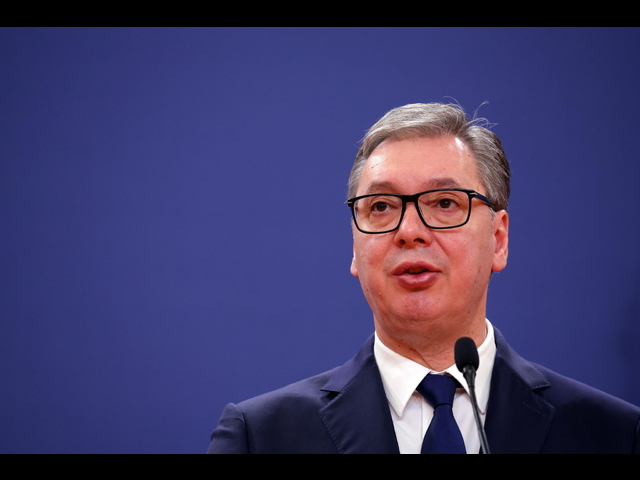
(ANSA) - BELGRADE, JAN 31 - Serbia's president signed controversial justice laws Friday, despite experts warning they would undermine judicial independence and Brussels saying they were "a step back" on the path to EU membership. Critics say the changes to laws give court presidents more power over judges and remove mechanisms meant to guarantee the independence of prosecutors. They also point out the changes come as prosecutors investigate several senior government and ruling party officials for corruption. Parliament adopted the changes without public debate or consultations with prosecutors, judges, the European Union or the Venice Commission -- the Council of Europe's advisory body on constitutional law. But as professional groups, the opposition and the EU have condemned the reforms, government officials insist the package will create a "better and more efficient"judicial system. "The vote by Serbia's parliament to limit the independence of the judiciary is a serious step back on Serbia's EU path," the EU's Enlargement Commissioner Marta Kos wrote on X on Wednesday. Jovana Spremo, coordinator of the working group on judicial reforms in EU negotiations, told AFP the laws gave more power to court presidents over judges and made it harder for prosecutors to maintain their independence. "They restore a stricter hierarchy in the prosecution service, which had been loosened by previous amendments," Spremo said. President Aleksandar Vucic conceded that the laws "should have undergone broad public debate and consultations with the EU". But he stressed that they were "in line with the Constitution". The controversial changes were proposed by Vucic's Serbian Progressive Party (SNS). SNS deputy Ugljesa Mrdic argued that they would "return a hijacked judiciary to the state and the people of Serbia". The judiciary was currently "under foreign control", he added. The opposition argue that the authorities are trying to dismantle Serbia's top corruption and organised crime prosecutors, just as they investigate cases against several senior government and SNS officials. "These laws are becoming the final nail in the coffin of Serbia's prosecution service and judiciary," opposition Freedom and Justice Party lawmaker Marinika Tepic said. Facing more than a year of anti-corruption protests, Vucic has increasingly criticised judges and prosecutors, including those probing a 2024 railway station roof collapse. (ANSA).