
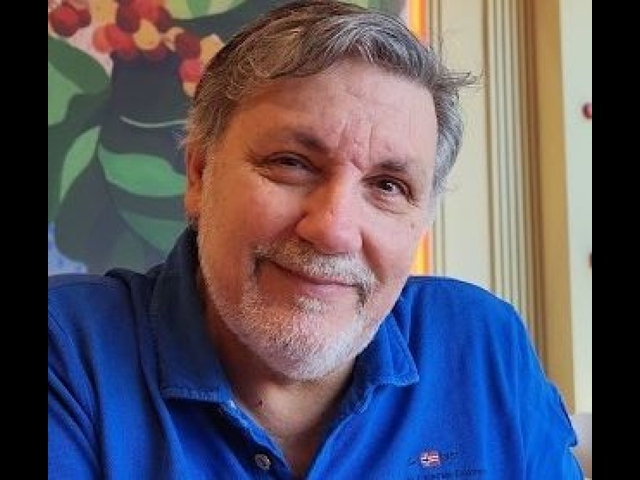
(ANSA) - UDINE, 26 OTT - "The winners will have to build a common platform that brings together the various factions within the movement, which includes Orthodox and conservative elements, although left-wing students predominate. It is important to note that the candidates are not students themselves, but rather experts, university professors and professionals, each representing different sectors of society." Antonio Ventresca, former director of the Italian Trade Agency (ITA) office in Belgrade, made the remarks to ANSA while commenting on the Student List's victory in yesterday's parliamentary elections in Serbia and the defeat of forces aligned with Aleksandar Vučić. According to Ventresca, the success of the student-led civic movement marks the beginning of a period of profound change, but also one that will require difficult decisions. "There will be many decisions to make," he said, noting that several fundamental issues "were not brought to the forefront during the election campaign." The first step, he added, "will probably be to restore transparency to state institutions, starting with media freedom, education and healthcare, before developing and implementing a shared political agenda." Another unresolved question concerns Aleksandar Vučić's political future and how he will respond to the electoral defeat after years of dominating Serbia's political landscape. "This will be a crucial turning point," Ventresca said, "in determining whether the transition can proceed without further tensions and confrontation." Ventresca, who spent five years living in Serbia, recalled witnessing firsthand the growing desire for change. "I lived in Serbia for the past five years, and I saw these movements take shape," he explained, adding that the underlying discontent "was already there." He emphasized that the collapse of the railway station canopy in Novi Sad in 2024 was "the final straw that galvanized civil society and gave momentum to the protests." Turning to the economy, Ventresca highlighted the opportunities that could emerge under the new political leadership. "From an economic standpoint, there is still considerable room for investment, particularly in innovative sectors and infrastructure," he said, pointing to potential opportunities for Italian companies as well. Looking at the country's broader prospects, Ventresca emphasized Serbian society's resilience. "Serbia is a very strong nation, with tremendous energy," he said. The political transition is also expected to affect Serbia's relations with the European Union. At the same time, questions remain about the country's future international alignments, including its ties with China, another important partner for Belgrade. (ANSA).