
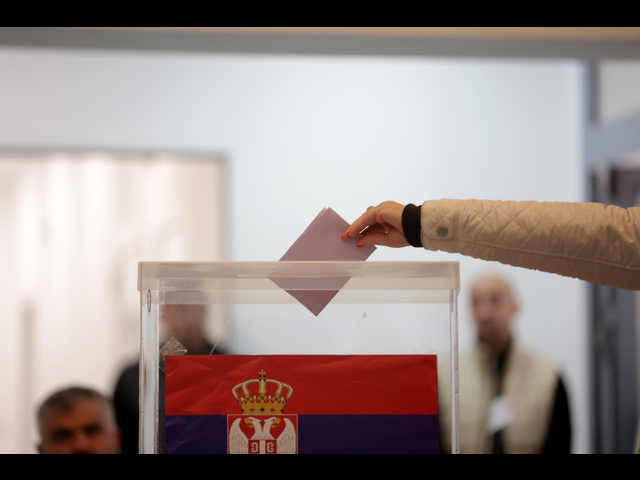
(ANSA) - SARAJEVO, OCT 25 - Large crowds and long lines of Serbian citizens gathered in front of the Serbian Embassy in Sarajevo early this morning to cast their ballots in the special parliamentary elections being held in neighboring Bosnia and Herzegovina (BiH). Just under 20,000 voters registered to cast ballots in Serbia's special parliamentary elections in Bosnia and Herzegovina, 90% of whom reside in the territory of the Republika Srpska (RS), where the Serbian population is predominantly concentrated. Voting is taking place at diplomatic and consular missions and other designated locations within the territory of both entities. Of the 93 polling stations open abroad, 28 are in Bosnia. The largest number of registered voters is in Banja Luka, the capital of the RS, where approximately 10,000 Serbian citizens are eligible to vote. The first election results from Bosnia and Herzegovina will be announced tomorrow. The citizens of the Republika Srpska in Bosnia who are eligible to vote in this election are native Bosnian citizens with dual Serbian citizenship, not "expatriates" or emigrants. Dual citizenship is based on bilateral agreements between Belgrade and Banja Luka under the 1995 Dayton Peace Agreement. It is estimated that more than 590,000 Bosnian citizens have received a Serbian passport, which allows them to vote in elections in Serbia. This practice has sparked considerable controversy in Serbia ahead of today's vote, and the decision to concentrate so many polling stations in Bosnia and Herzegovina (28, a significant increase from previous elections out of a total of 93 worldwide) has been challenged by the Student List and other opponents. Of the more than 100,000 Serbian citizens registered abroad, critics argue, numerous polling stations have been added or retained in areas traditionally favorable to the ruling party (such as the Republika Srpska in Bosnia), while entire major cities in Europe and North America (such as Vancouver, Chicago, or Bratislava) with very few polling stations or none at all, forcing residents to travel thousands of kilometers and vote during Serbian hours (from 7 a.m. to 8 p.m., Belgrade time), without taking time zones into account. (ANSA).