
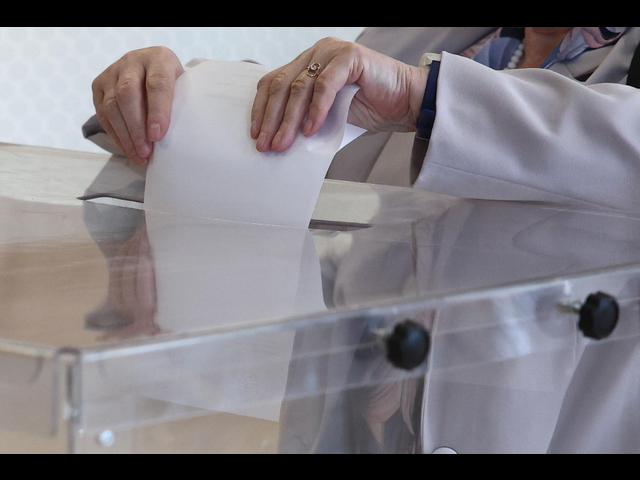
(ANSA) - BELGRADE, 23 SET - The European Union is about to enter an election year that will determine its future. In a few months, the balance of power within the EU Council—where policy dossiers are decided and population size is considered in qualified majority voting—and the European Council—where leaders set political direction—could look very different from today. Indeed, ten member states will vote, beginning with Italy. * FINAL STRETCH OF 2026. Latvia will hold elections for a new parliament on October 3. Prime Minister Andris Kulbergs, who succeeded Evika Siliņa's centre-left government, is the front-runner in the race. However, due to the proportional representation system and political fragmentation, a single-party government is unlikely. Bulgaria, which has been plagued by political instability for years, elects a new president on October 25. This will put to the test the new balance of power established by Rumen Radev's parliamentary victory, which has brought Sofia closer to Moscow's positions and halted military aid to Kyiv. * ESTONIA AND FINLAND. Estonian elections on March 7, 2027, could result in a significant shift in the parliamentary majority; Prime Minister Kristen Michal leads a liberal coalition that includes the Reform Party and Eesti 200, but polls show the conservative Isamaa Party (EPP) in the lead. Finland's Social Democrats (SDP), led by Antti Lindtman, hope to unseat Prime Minister Petteri Orpo's centre-right coalition (EPP). * ALL EYES ON ÉLYSÉE. April 18 is the first truly crucial date. The French people will be asked to elect a president. Marine Le Pen, who defeated the young Jordan Bardella, will run for the *Rassemblement National* for the fourth consecutive term. Polls show her in the lead, but much will depend on centrist alliances and the runoff vote, which the left-wing candidate Jean-Luc Mélenchon hopes to reach. * GREECE. Greece's legislative elections are scheduled for 2027, most likely in the spring, according to Prime Minister Kyriakos Mitsotakis; no specific date has been set. Polls show the outgoing Prime Minister's party, New Democracy (EPP), far ahead of Alexis Tsipras' left-wing Syriza alliance and PASOK. * THE CHALLENGE TO SÁNCHEZ. The Spanish parliament must be re-established by August 22. Pedro Sánchez, a key leader among European Socialists, could suffer a crushing defeat, potentially giving way to an unprecedented majority formed by the conservative PP and the sovereignist Vox party (a Patriots group member). * SLOVAKIA IS IN THE BALANCE. The Slovak legislative elections are expected to take place by September 28, but no date has been set. The main contest is between Prime Minister Robert Fico's pro-Russian Smer-SD party and Michal Šimečka's Progressive Slovakia (Renew). Polls indicate an uncertain outcome. * THE POLISH WILDCARD. Warsaw will go to the polls by November 11. Donald Tusk's pro-European coalition will face a rising right-wing movement that will vote in four blocs: PiS (which has shifted towards increasingly radical positions), the new project led by former Prime Minister Mateusz Morawiecki, and the extremists of *Konfederacja* and the Confederation of the Polish Crown. (ANSA).