
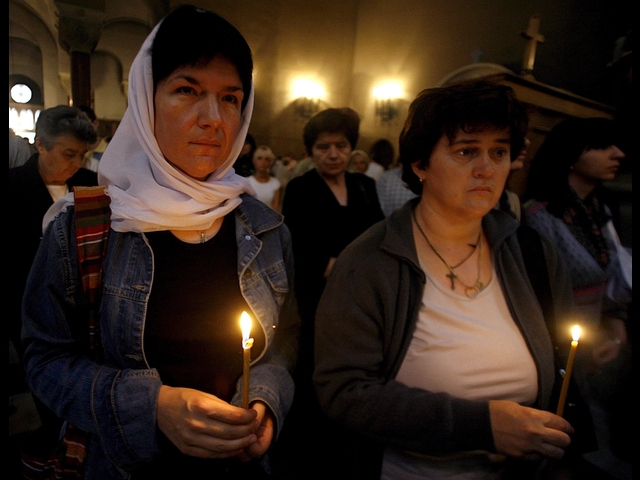
(ANSA) - BELGRADE, 04 AGO - Even 31 years later, Operation Storm, the military offensive with which Croatian forces in 1995 recaptured the predominantly Serb region of Krajina, which had broken away by force with Belgrade's support after Croatia declared independence in 1991, is still commemorated in opposed ways in the two rival countries, reflecting irreconcilable perspectives and sentiments. Today, August 4, is the Day of Remembrance, or Dan sećanja, in Serbia and Banja Luka, marking the painful memory of 200,000 fleeing Serbs, described by Belgrade as victims of "the worst ethnic cleansing in Europe since World War II." The date marks the beginning of the offensive. Tomorrow, August 5, Croatia will instead observe Victory and Homeland Thanksgiving Day and Croatian Veterans Day, celebrating the day Croatian forces retook Knin, the capital of the self-proclaimed Republic of Serbian Krajina following the armed Serb uprising backed by Slobodan Milešević. Serbian President Aleksandar Vučić, announcing that this year's main commemoration will be held in Mrkonjic Grad, in Bosnia's Republika Srpska, said: "State borders must not be an obstacle to national unity, and it is important to preserve the Serbian language, the Cyrillic alphabet and a common educational space. We belong to the same Serbian people, despite being divided by state borders, and we insist on national and popular unity." Croatia will hold wreath-laying ceremonies and commemorations of the opposite tone tomorrow. Operation Storm was a major military offensive conducted between August 4 and 7, 1995, in which the Croatian army, also supported by Bosnian forces, attacked the separatist Republic of Krajina and restored Croatian control over roughly one-third of the country's territory, which Zagreb had lost shortly after declaring independence from Yugoslavia. During the four years of the breakaway Serb republic, systematic ethnic cleansing was carried out in Krajina, with about 14,000 to 16,000 Croats and non-Serbs killed, including civilians and combatants, and between 170,000 and 250,000 Croats and other non-Serb civilians forced to flee or deported, according to data from the former International Criminal Tribunal for the former Yugoslavia. After the Croatian reconquest, the situation was reversed: more than 200,000 Serb civilians fled within days toward Bosnia, Montenegro and Serbia, while about 700 Serb civilians were killed, or more than 2,000 according to Belgrade. Many Serb-owned homes and properties were looted or set on fire to prevent their owners from returning. (ANSA).