
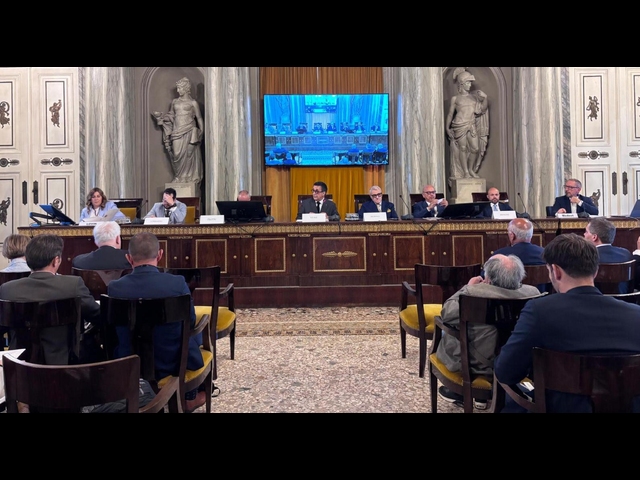
(ANSA) - UDINE, 11 GIU - "We face objective geopolitical challenges, such as the blockage of the Strait of Hormuz. Yet, within a system under stress from tectonic shifts in the Mediterranean and beyond, there are also many opportunities, especially in Romania." Roberto Musneci, president of the Italian Chamber of Commerce for Romania, made these remarks today in Trieste at the event "Navigating the Geopolitical Reset: Implications for Global Business," part of the GeoAdriatico symposium. Musneci emphasized that Trieste is repositioning itself as a hub for Central Europe, with competitive advantages over northern ports. He highlighted the strategy of gradually converting infrastructure for dual civilian and military use as a major opportunity. The same applies to the Three Seas Initiative, a strategic resilience project in which Romania serves as the southern arm. He also pointed to opportunities in the energy sector: "With the development of Neptun Deep, Romania is set to achieve full energy independence and likely become an energy exporter," Musneci said. He added, "Romania is regaining its strategic centrality, perhaps even more than in previous years, despite temporary political volatility. The country's unmet needs create opportunities for both local and foreign entrepreneurs." Musneci concluded by noting that "around 25,000 companies in Romania file financial statements, creating jobs and wealth—evidence of the country's many opportunities." Giuseppe Mancini, vice president for intelligence and international affairs at Leonardo, emphasized that Romania "is undoubtedly a strategic country that should be viewed not only through a business lens, but also from a political perspective." Claudio Tobaga, general manager of Vard Shipyards Romania, added that Romania has become a strategic location for shipbuilding, thanks in part to the region's skilled workforce. (ANSA).