
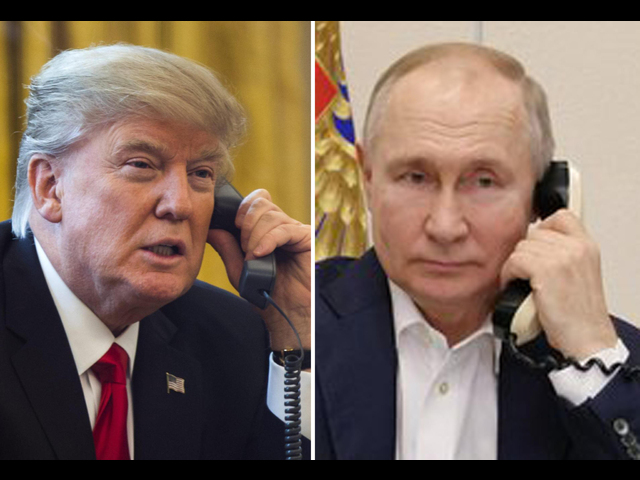
(ANSA) - UDINE, 11 MAR - "Among the certainly least expected developments of the U.S.-Iran war, we can undoubtedly include the resumption of relations between Trump and Putin." This is how Arduino Paniccia, a military strategy and geopolitics analyst and founder and president of ASCE, the Venice School of International Economic Competition, interprets the new phase that has opened between Moscow and Washington after "a long phone call between the two presidents," during which, he notes, Putin "offered to mediate for a swift end to the very harsh confrontation in the Middle East and to the hostilities with Tehran." At the same time, the Ukrainian issue also remains in the background. According to Paniccia, interviewed on the sidelines of a meeting in Udine, this is not merely a political gesture. "Putin, thanks to the surge in oil prices, is seeing his revenues rise significantly," which strengthens the Kremlin's room for maneuver after a period in which falling crude prices had weighed on Russian energy revenues and on the financial sustainability of the war effort. In this context, he adds, Moscow is also trying to reopen the European energy dossier, presenting itself, according to spokesman Dmitry Peskov, as a "reliable supplier." In the analyst's view, Trump has also changed his attitude toward the Kremlin. "From a phase of total disappointment and coldness, Trump has moved to proposing an easing of sanctions against Russia," convinced of an intense, future, and mutually profitable collaboration between the two countries, Paniccia notes. The Chinese issue, however, remains an open uncertainty in the Gulf crisis. "The possible end of sanctions and the return to the role of a mediating power—therefore a different and stronger positioning for Russia—are certainly of much greater interest to Putin and could, I say could, incline him toward a more conciliatory approach," the expert underlined. (ANSA).